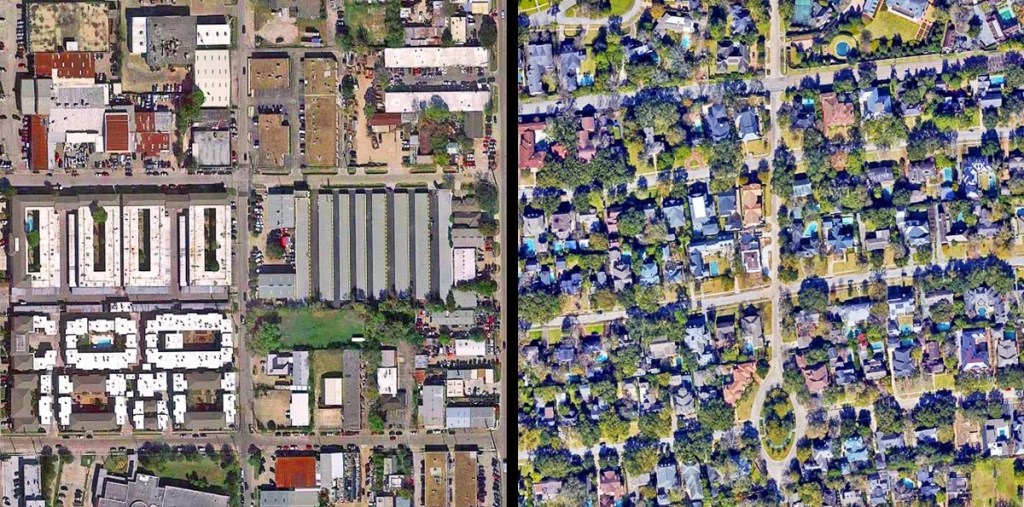
I’ve always been drawn to the in-between spaces—the missing pieces in systems we rely on. In real estate, that missing piece is often livability. You can sort by price, bedrooms, maybe walkability if you’re lucky. But what about noise? Heat? Tree cover? Commute options that don’t involve sitting in traffic?
That gap matters more than people think. A neighborhood’s green space can affect mental health. Bus stops can open up job access. Air quality impacts everything from school performance to long-term health. Yet we rarely see those layers when browsing housing listings or planning cities. The data exists, but it’s scattered—or worse, ignored.
I’ve come to believe that if the tool you need doesn’t exist, you have two choices: wait for someone else to build it, or build it yourself.
That’s why I started exploring how environmental and livability data could help people make smarter housing decisions. It’s not just about being eco-conscious—it’s about being realistic. Most people aren’t asking for a fully off-grid solar dome in the woods. They just want a place that’s healthier, quieter, safer. And that’s where thoughtful data can make the difference.
The challenge is clarity. Most open data dashboards look like they were made for urban planners, not residents. I want to flip that. I want to build tools that are useful for regular people—families, renters, students—trying to choose where to live or improve where they already are.
Because when the listings don’t tell the full story, data can help fill in the blanks. But only if we make it make sense.
 The Data Lot
Leave a comment