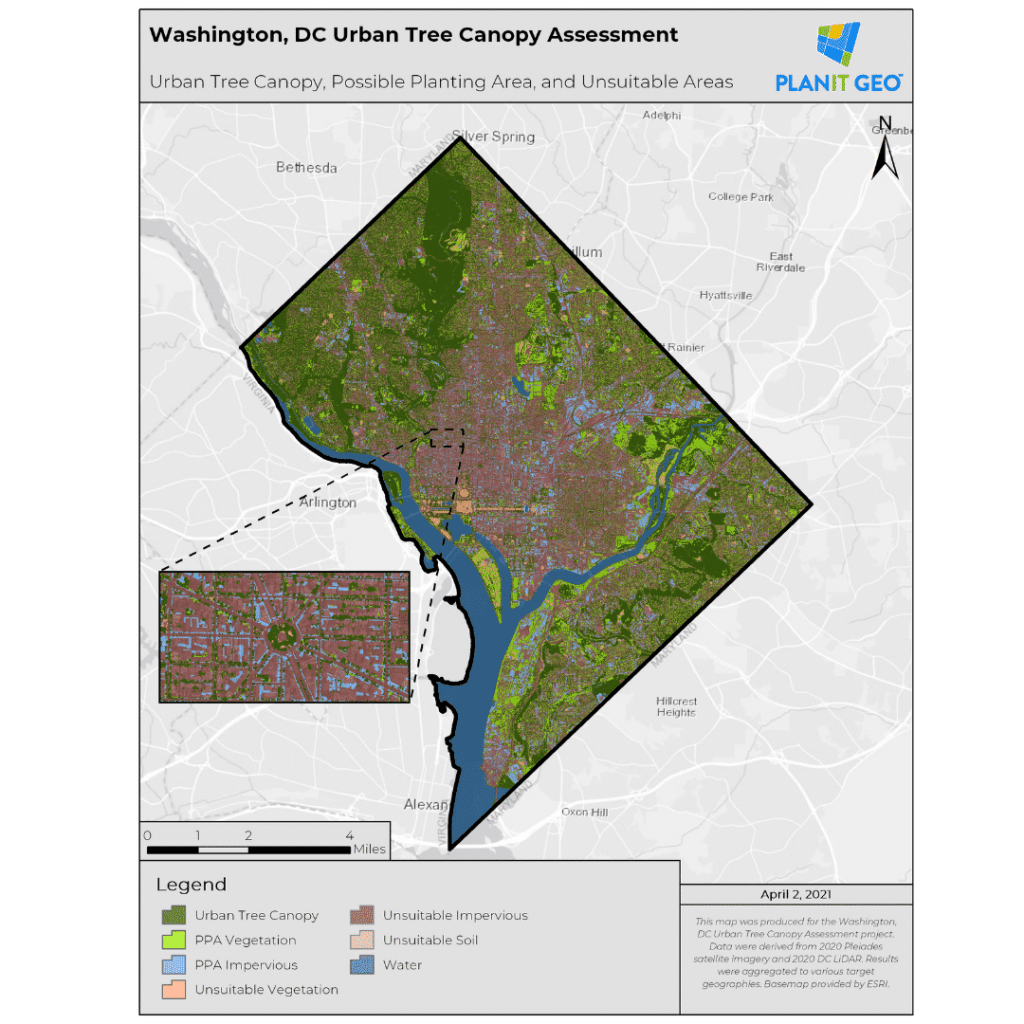
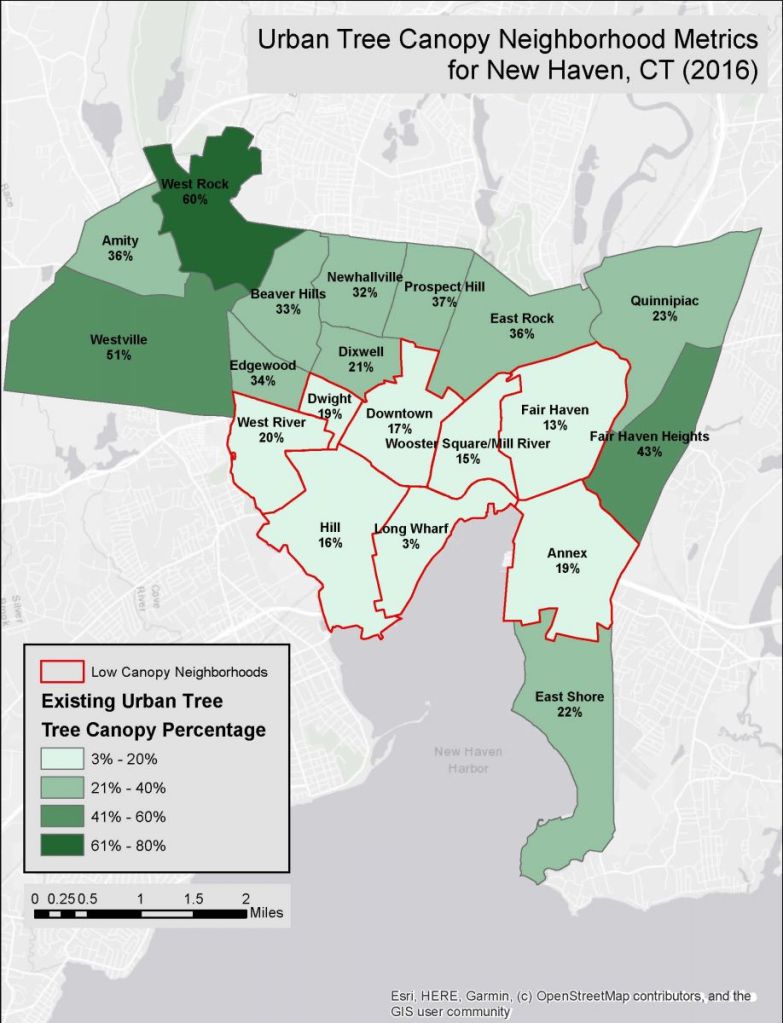
Not all shade is created equal.
In many cities, a quick walk through different neighborhoods reveals the story: one block is lined with lush trees, the next has barely any. It’s more than just an aesthetic difference — it’s a matter of equity, environment, and health.
That’s where the concept of tree equity comes in. It’s the idea that every neighborhood, regardless of income or ZIP code, deserves the benefits that urban trees provide: shade, cleaner air, lower energy bills, and a cooler, more livable environment.
At EcoBlocks, we’ve been exploring how tree canopy data reveals deeper patterns:
🌡 Trees = Cooler Streets
Neighborhoods with less tree cover tend to be up to 10°F hotter during heat waves — especially in areas with high pavement and low-income housing. This isn’t random. It’s the legacy of planning decisions, redlining, and underinvestment.
💰 Tree Canopy Follows Wealth
Data shows a strong correlation between household income and tree cover. Wealthier areas often have decades-old trees and larger lots. In contrast, renters and dense developments often go without — even though they need it most.
📊 Tree Equity Scores Make It Visible
Groups like American Forests have created tools to measure tree equity zip by zip. We’re incorporating similar metrics into EcoScore, because trees aren’t just a luxury — they’re infrastructure.
🌿 What EcoBlocks Is Doing
Through our Mini-Grant Green Upgrade Program, we’re helping families access funding for small but powerful changes: planting drought-tolerant trees, adding shade structures, or installing smart irrigation. These aren’t just upgrades — they’re acts of environmental justice.
Final Thought:
In a warming world, trees are one of the most affordable and powerful tools we have — but only if everyone has access to them. At EcoBlocks, we’re working to close that gap. Because who gets the shade shouldn’t depend on what’s in your wallet or which side of the freeway you live on.
 The Data Lot
Leave a comment