Check out EcoBlocks by clicking Here! Our Nonprofit Helping Families Make Greener Housing Choices.

Tag: sustainability

  • Paved Over: What Impervious Surfaces Reveal About a Neighborhood

    Most people judge a neighborhood by what’s on the surface — clean streets, nice houses, maybe a bit of green. But what’s beneath our feet often tells a more powerful story. I’m talking about impervious surfaces — the roads, rooftops, driveways, and parking lots that can’t absorb water.

    It sounds boring, but it’s not.

    Impervious surface data can reveal how a neighborhood was built, who it was built for, and how it handles stress — from floods to heat waves to housing costs.
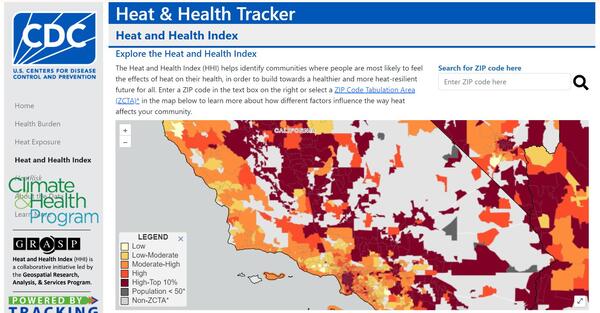
    zoom in friendly ^^ —>>
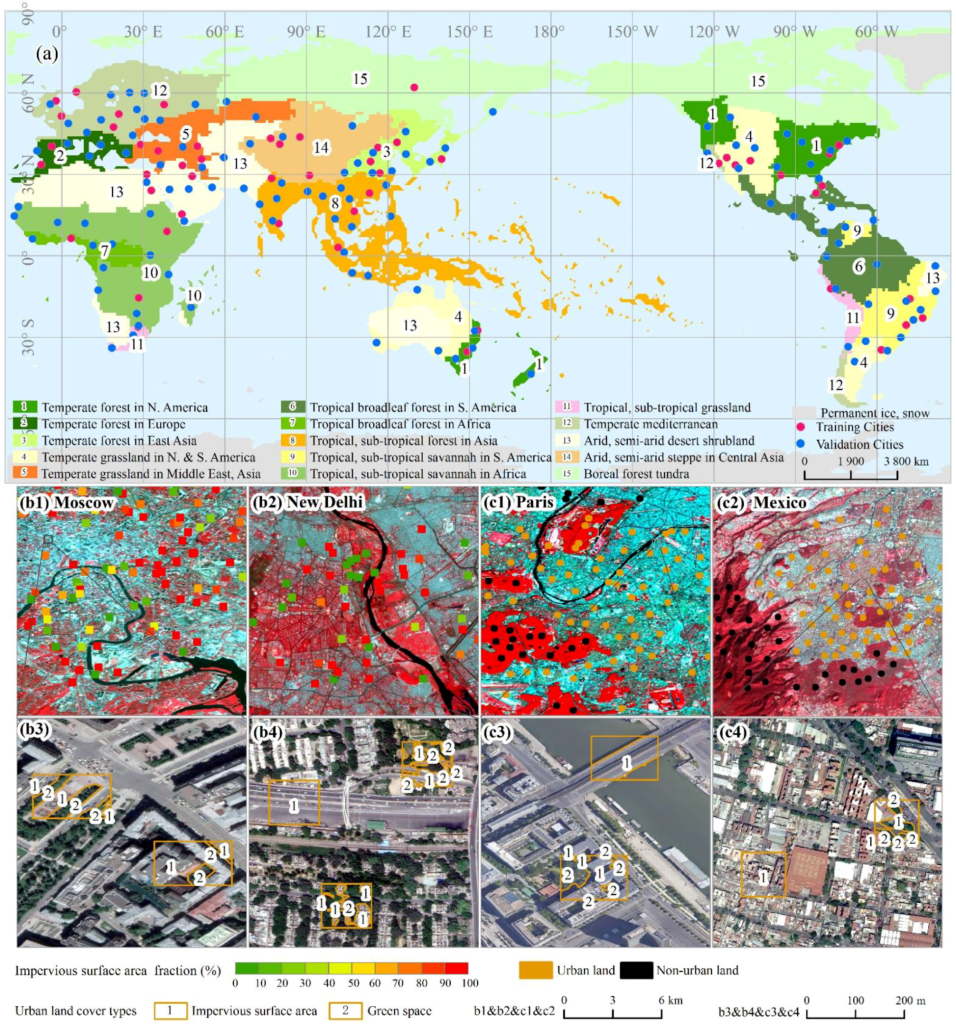
    Here’s what I’ve learned:

    🌧️ Flood Risk Rises With Pavement
    When neighborhoods are 60–80% paved, water has nowhere to go. That leads to flash floods, sewer overflows, and damage — especially in lower-income areas that lack proper drainage infrastructure.

    🔥 More Pavement = More Heat
    Paved areas trap heat. In heat maps, you’ll often see that the hottest zip codes are also the most paved — and the least shaded. That’s no accident. These areas tend to have fewer trees, parks, and permeable surfaces.

    🚗 The Parking Lot Effect
    Large impervious areas — especially parking lots — often show up in car-centric neighborhoods with poor walkability. That has ripple effects on everything from air quality to social connection.

    📊 The Data Is There — But Hidden
    Impervious surface data exists through satellite imagery and city planning databases. But it’s rarely used in real estate tools or community planning conversations. That’s something I want to change through EcoScore and neighborhood data tools.

    Why It Matters:
    Impervious surface percentage might sound like a technical metric, but it’s actually a shortcut to understanding climate risk, walkability, and livability — all in one number.

    It’s one of those data points that quietly explains why some places feel hotter, flood more often, or feel less connected than others. And once you see it, you can’t unsee it.
  • What Makes a Neighborhood ‘Sustainable’?

    We hear the word “sustainable” tossed around all the time — in politics, advertising, school campaigns. But what does it actually mean when we talk about a sustainable neighborhood?

    To me, it’s not just about whether there are a few recycling bins on the curb or a Tesla parked in someone’s driveway. Sustainability is about how a place supports both people and the planet — how it holds up environmentally, economically, and socially.

    When I first got curious about this, I started looking at cities through data. What I found was that the most livable, resilient neighborhoods often had four key ingredients:

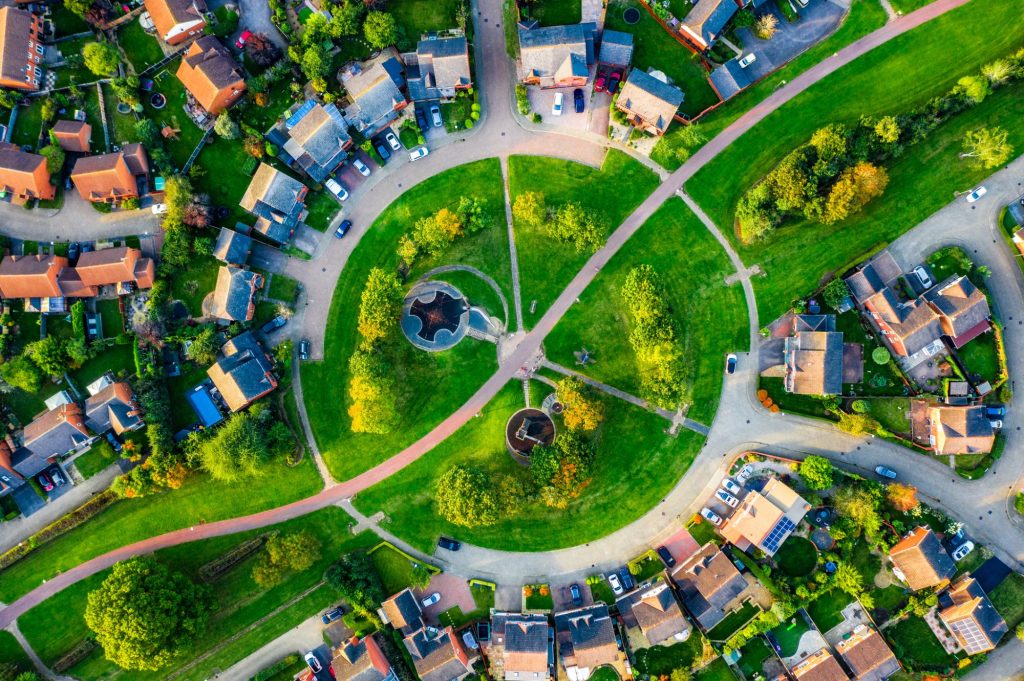
    🌿 Green Space: Parks, trees, and open areas reduce heat, filter pollution, and create room for people to breathe. Studies even show green space improves mental health and encourages physical activity.

    🚶‍♂️ Walkability: If you can get to a grocery store, school, or park without needing a car, that’s a big deal — especially for low-income families or teens who can’t drive. Walkable neighborhoods reduce emissions and build community.

    🔌 Energy Efficiency: From insulation to smart meters to solar panels, efficient housing doesn’t just reduce emissions — it lowers energy bills and helps people stay comfortable through heat waves or cold snaps.

    🚉 Transit Access: Reliable buses, trains, and bike routes allow people to move around without relying on cars. That reduces congestion, pollution, and the cost of transportation.

    This is the kind of thinking that led me to create EcoBlocks, and why I’m building a tool called EcoScore — a free, public data tool that rates neighborhoods on these core sustainability factors. The goal isn’t to label places as “good” or “bad.” It’s to give people information — so they can make smarter, greener decisions about where and how they live.

    Not everyone can pick up and move. But everyone deserves to know how their neighborhood impacts their health, their wallet, and their future. That’s what I mean when I talk about sustainable neighborhoods.